.png)

Packing the wrong towel can lead to discomfort, sandy belongings, and slow drying. Don’t let a subpar towel ruin your beach day—choose wisely and enjoy every moment.
The best towel for the beach is a purpose-made beach towel. It uses fast-drying, sand-resistant materials like microfiber or premium cotton, features oversized dimensions, bold colors, and often includes extra perks like UV protection and eco-friendly fabrics.
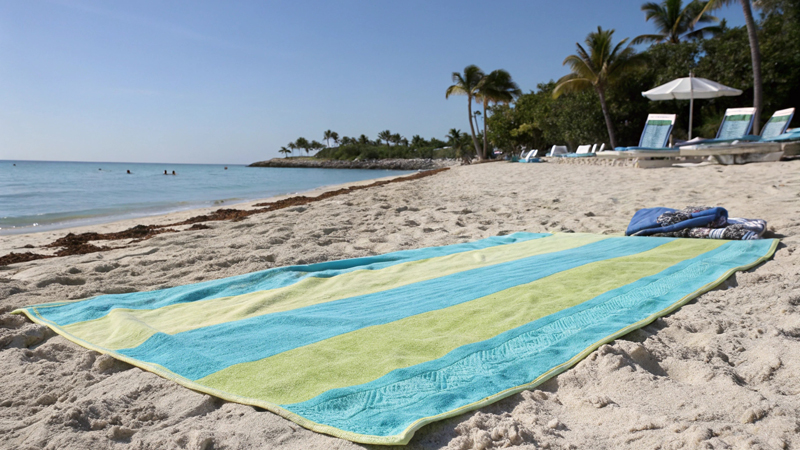
I’ve seen firsthand how choosing the right towel transforms a day by the sea. Whether you’re sunbathing, swimming, or simply relaxing, let’s break down each factor so you can pick a towel that enhances comfort, style, and function every single time.
Microfiber vs. Cotton: Which Material Makes the Best Beach Towel?
You might wonder if traditional cotton or new-age microfiber is a better pick for the beach. Both have their fans, but the real answer depends on your priorities.
Microfiber towels dry ultra-fast, repel sand, and pack small. Cotton towels feel more plush and absorbent, but they can hold onto sand and take longer to dry. Choose based on drying speed, packability, and softness.
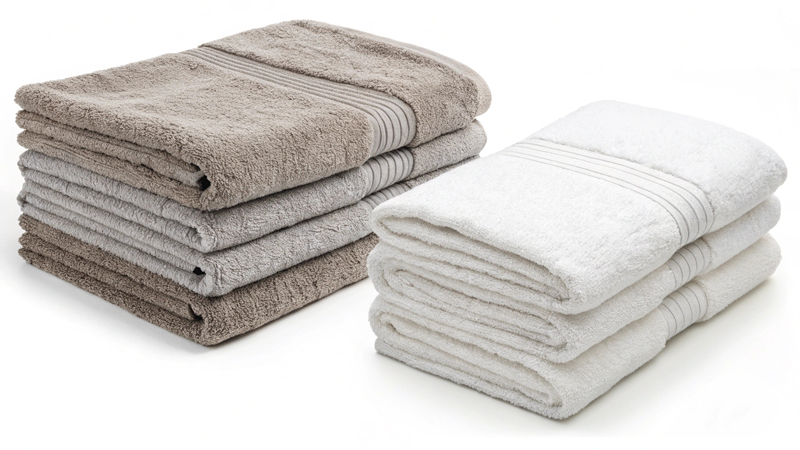
I started by making mostly cotton towels—classic, soft, comforting. But soon, travelers and brands demanded microfiber for its lightness and tech-forward performance. Here’s what sets them apart:
| Feature | 100% Cotton | Microfiber |
|---|---|---|
| Feel | Plush, traditional | Silky, smooth, lightweight |
| Drying Speed | Slow (can take hours) | Very fast (minutes in the sun) |
| Sand Resistance | Sand sticks | Sand shakes off easily |
| Absorbency | High, luxurious | High, but feels less thick |
| Packability | Bulky | Packs very small |
| Durability | Long-lasting with care | Durable, may pill if low quality |
| Best For | Comfort lovers | Adventurers, travel, families |
My clients often split their orders between the two, choosing microfiber for travel promos and active lifestyles, and cotton for high-end resort comfort. The best material for your brand comes down to your customer’s needs.
Why Size Matters: Choosing the Right Dimensions for Your Beach Adventure
Lying on a tiny towel feels awkward, and sharing one that’s too small is uncomfortable. Picking the right towel size can make your beach day.
Go for at least 30"x60" for singles, or up to 70"x70" for families or couples. Oversized towels offer more comfort and keep you off the hot sand.
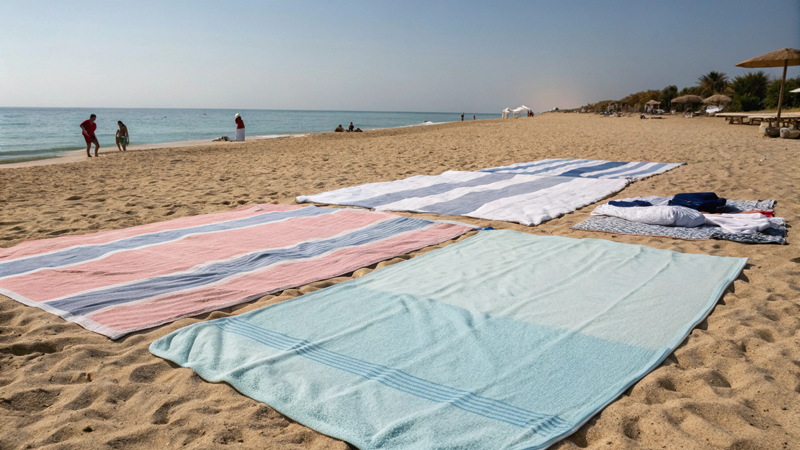
When I first started customizing towels, most requests came for standard bath sizes. Over time, brands realized beachgoers want more space—whether it’s to stretch out, change clothes, or keep snacks off the sand. Here’s a comparison:
| Size | Dimensions (inches) | Best For |
|---|---|---|
| Standard | 27" x 52" | Kids, limited packing |
| Regular Beach | 30" x 60" | Adults, everyday use |
| Oversized | 35" x 70" or more | Beach mats, couples |
| Round | 60" diameter | Picnics, family spreads |
I always suggest oversized or round designs for brand statement pieces and families. The extra cost pays off in comfort and satisfaction.
GSM Explained: How Towel Thickness Impacts Absorbency and Drying Speed
Many shoppers overlook GSM, or grams per square meter, but it’s at the heart of towel performance. High GSM often means plushness; low GSM means faster drying.For beach towels, a GSM of 350-450 gets you fast drying with decent softness. Too thick (over 600 GSM), and your towel will be heavy, damp, and slow to dry.
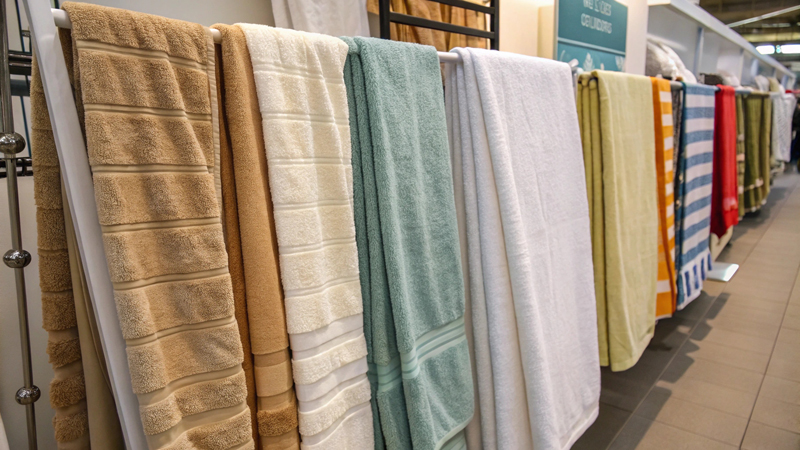
When I walk clients through samples, I show them how the fluffiest towels (high GSM) aren’t always the best outdoors. Here’s how GSM lines up:
| GSM | Feel | Dry Speed | Weight | Best Use |
|---|---|---|---|---|
| 300 | Light, thin | Ultra-fast | Light | Travel, kids |
| 350-450 | Soft, absorbent | Quick | Medium | Outdoor/beach/tourism |
| 500+ | Plush, heavy | Slow | Heavy | Luxury/spa |
Test towels under real beach conditions. I recommend 350-450 GSM for most situations—enough absorbency, not too much weight, and quick drying on the sand.
The Secret to Sand-Free Relaxation: How to Keep Sand Off Your Towel
There’s nothing worse than lying down only to discover gritty, stubborn sand everywhere. Not all towels handle sand equally well.
Choose towels with a smooth weave, like flat-woven cotton or tightly woven microfiber. These release sand with a quick shake and don’t trap grit in fibers.
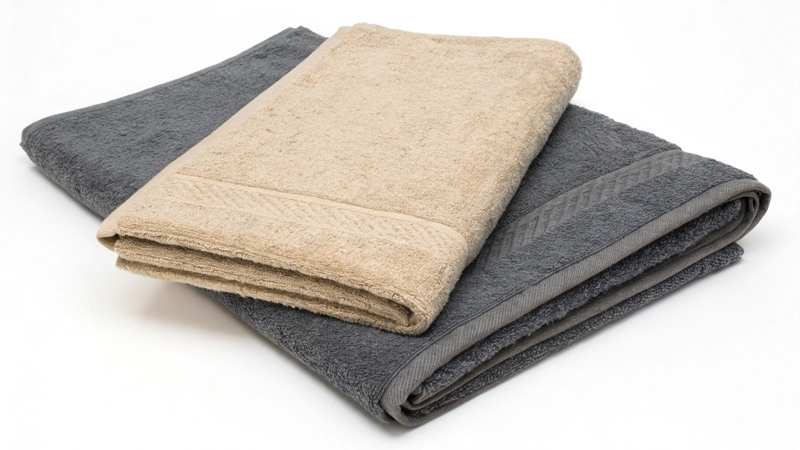
Early on, I struggled with terry loops that trapped sand. Switching to flat weaves and testing microfiber blends changed everything for my clients. For serious sand resistance:
- Pick smooth, low-pile surfaces (Turkish peshtemal, microfiber)
- Avoid deep terry loops (holds grit)
- Shake out thoroughly before packing
Brands that promote “sand-free” features should always back this up with a real-world demo in their marketing.
Color & Design: Pick a Towel That Lasts and Looks Great After Sun and Salt
No one wants a faded, stained towel after just a few outings. Sun and ocean water can quickly ruin dull, poorly-made towels.
Opt for towels printed with high-quality reactive dyes or pigment printing, and ask for UV-resistant finishes. These keep designs bold, even after many washes and sunshine.
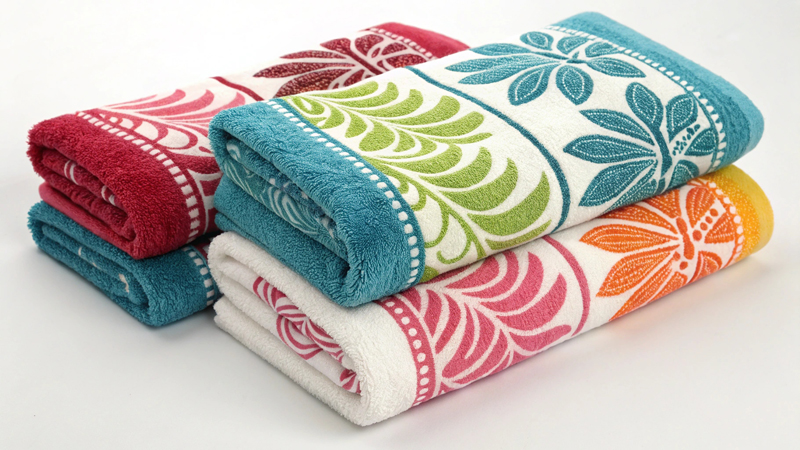
I learned the hard way that cut-rate dyeing means faded towels and unhappy buyers. Reliable suppliers use special treatments to protect against salt and sun. Always check for:
- UV-testing in lab reports
- Printed designs using digital or reactive pastel dyes
- Double-sided printing for full impact
Great color and clear logos set your brand apart on a crowded shoreline.
Extra Features Worth Having: UV Protection, Antimicrobial, Double-Stitching
Functional extras can turn a good towel into a best-seller. Small details prove your brand cares about user experience.
Go for built-in UV protection, antimicrobial treatments, and reinforced edges. These features improve longevity, hygiene, and safety, all of which customers appreciate.
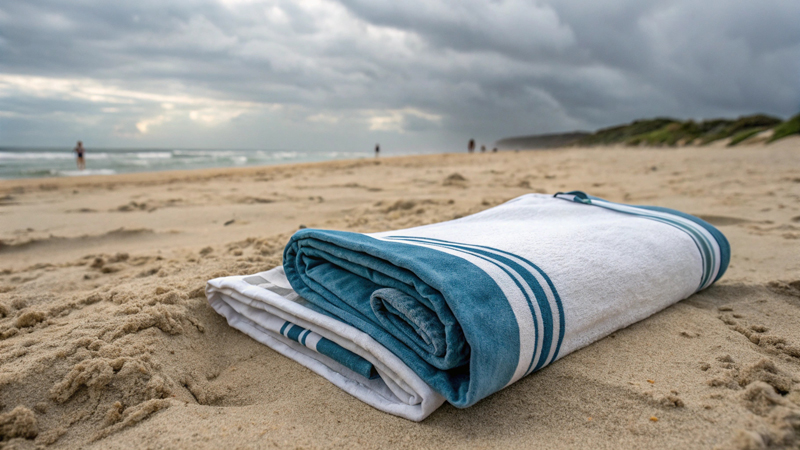
Requests for extras grew as brands pushed for differentiation. Over the years, I’ve helped implement:
- UPF coatings for skin safety
- Silver or anti-odor finishes to block bacteria
- Double-stitched seams and ribbed edging for lasting use
Such extras add a small cost, but return big value when you market “designed for real life” quality.
Eco-Friendly Choices: Sustainable Beach Towels for a Greener Summer
Eco-minded consumers want towels that care for the planet as well as their skin. Thankfully, today’s choices are both sustainable and stylish.
Choose organic cotton, recycled PET microfiber, or bamboo-based blends. Look for certified non-toxic dyes and packaging to meet rising demand for green goods.
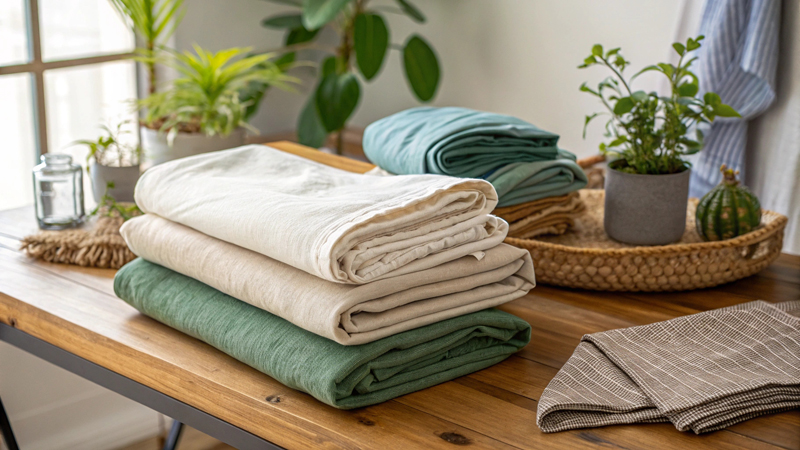
Adopting green practices changed my approach to manufacturing. Sourcing GOTS-certified organic cotton and rPET fibers has opened doors for my clients in upscale eco markets. Sustainable options now match—and surpass—conventional towels in quality.
| Material | Eco Points | Feel | Certifications |
|---|---|---|---|
| Organic Cotton | No pesticides, low impact | Soft, plush | GOTS, OEKO-TEX |
| Recycled Microfiber | Diverts plastic, uses less water | Smooth | GRS, OEKO-TEX |
| Bamboo Blends | Fast-regrowing resource | Silky, strong | FSC, OEKO-TEX |
Eco beach towels sell well with younger shoppers and premium resorts focused on sustainability.
Conclusion
Picking the best beach towel comes down to more than just soft fabric—it’s about function, comfort, looks, and values. I’ve seen brands succeed by choosing materials and features that suit real-world beach conditions, testing thoroughly, and listening to end customers. If you want towels that stand out, focus on fast drying, sand resistance, durable color, thoughtful details, and eco-friendly production. These elements ensure a product people remember, reuse, and recommend.
Professional Insights
-
Material Planning for Performance: Microfiber and advanced flat-woven cotton each have clear strengths. Brands should offer both, capitalizing on quick-dry traits for microfiber lines and plush comfort for premium cotton collections. Always review lab results on shrinkage and sand resistance before bulk orders.
-
Customization and Market Trends: Demand for oversized, custom-printed towels keeps growing. Invest in digital or reactive dye printing with double-sided options, and use unique shapes or added features to define your brand niche. Small runs for trend-testing can reduce risk and help you respond to market feedback with agility.
-
Production Oversight is Key: Maintain strict quality checks at every production stage. Test all lots for GSM accuracy, colorfastness, and edge durability. High standards prevent costly returns and keep B2B partners loyal.
-
Doing Better for the Planet: Eco-friendly towels are not just a trend—they’re an expectation. Source from mills that can certify materials and offer recycled options. Transparent labeling helps end customers recognize your commitment to sustainability and enhances your market reputation.


-1024x337.png)