.png)

Pricing talks can unsettle even the most seasoned buyers and sellers. When it comes to custom beach shorts, smart negotiation separates healthy margins from disappointing surprises. What strategies work best to strike strong, sustainable deals in today’s marketplace?
Negotiating pricing for custom beach shorts involves knowing your cost breakdown, setting clear quantity and quality expectations, showing flexibility, and focusing on long-term value over quick wins. Preparation boosts confidence and helps strike mutually beneficial agreements.
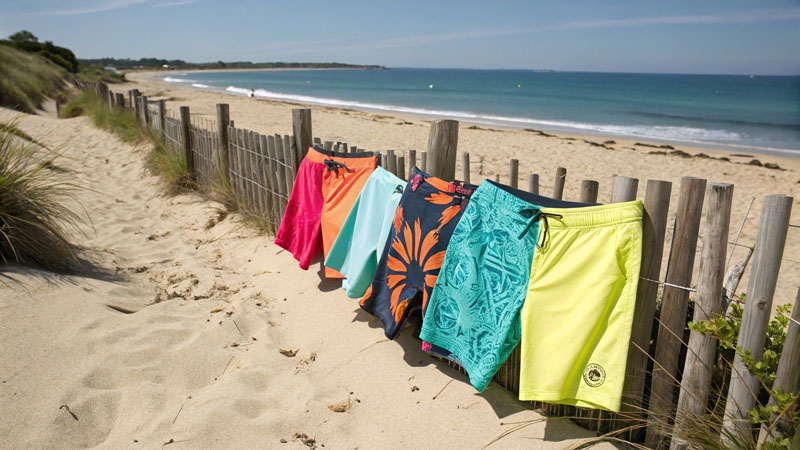
I’ve sat across the table from both start-up brands and global retailers. The best deals rarely come from hard pushing. Instead, real value emerges when both sides see the costs, needs, and future potential clearly—then build from there.
How can you prepare before negotiating custom beach shorts pricing?
Walking in blind is a mistake. Preparation turns a nerve-wracking price talk into a strategic business conversation.
List your must-haves for specs, volumes, and timelines. Gather cost benchmarks for fabrics, trims, and labor in your region. Set your maximum and target prices before talks start.
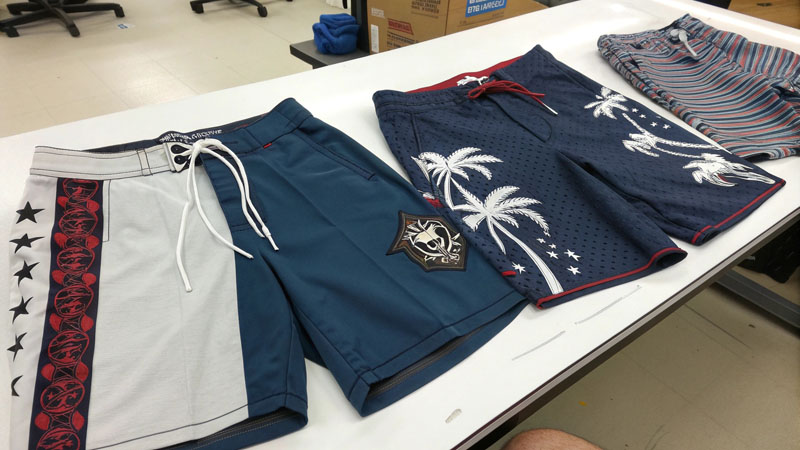
When a surf brand approached for their first custom run, we broke down every step—fabric, pattern, printing, sewing—and I shared sample cost sheets. This transparency built trust, making them comfortable enough to discuss realistic budgets and trade-offs.
Preparation Checklist
| Item | Purpose |
|---|---|
| BOM and spec list | Clarity on needs and costs |
| Regional cost references | Set realistic price targets |
| Volume and timeline goals | Frame negotiation boundaries |
| List of negotiable points | Know where you can be flexible |
What should you focus on during the actual negotiation?
Price is just one puzzle piece. Both value and flexibility can lead to win-win outcomes.
Discuss total value: materials, quality, branding options, turnaround, and service. Offer flexibility on order volumes or timelines if it unlocks a better deal. Keep concessions reciprocal—give only if you get.
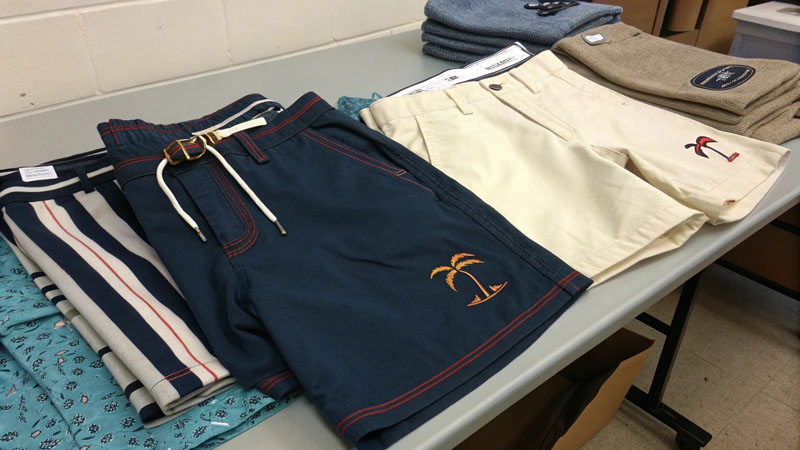
I remember a sportswear buyer who needed fast shipping for an event. We agreed to prioritize their run for a rush fee, reducing the per-item rate in exchange for larger orders later in the season. Both sides were satisfied—speed and stability, not just raw price, closed the deal.
Value and Flexibility Table
| Negotiation Factor | Why It Matters | Potential Leverage |
|---|---|---|
| MOQs | Lower risk, flexible orders | Higher unit price |
| Lead time | Speed vs. cost | Rush fees or discounts |
| Branding extras | Perceived value | Accessible upgrades |
| Payment terms | Cash flow flexibility | Early payment discounts |
Dive Deeper: Communication Habits
- State needs clearly, but ask open questions like: “If we hit 600 units, how can that affect unit price?”
- Say what matters most up front so the other party can propose creative solutions.
- Avoid ultimatums. Being too rigid usually blocks the best deal.
How do you protect quality while negotiating the lowest possible price?
Slashing costs can backfire if shorts arrive subpar or late. Sustainable negotiation is about balancing cost with clear quality requirements.
Never trade quality or compliance for price alone. Lock in spec sheets, approve samples, and clarify all standards in writing before finalizing numbers.
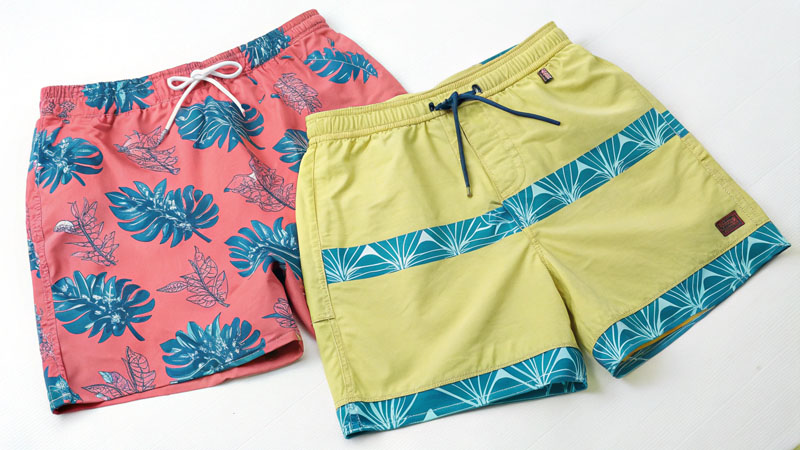
Once, I took a chance on a cheaper supplier who rushed fabric selection. The shorts faded quickly and triggered dozens of returns. Now, I always make quality non-negotiable—and show detailed quality checklists before we even talk price.
Quality Protection Moves
| Step | Why It’s Critical | Implementation |
|---|---|---|
| Finalized spec sheets | Avoids misunderstandings | Attach to POs |
| Sample approval rounds | Stops unpleasant surprises | Before mass production |
| Written standards | Recourse on defects | Check in all agreements |
| Quality tier options | Clear expectations | Offer different price levels |
Dive Deeper: Setting Boundaries
- Walk away if a supplier can’t guarantee base quality, no matter how cheap.
- Ask for references or case studies if you don’t know the factory’s track record.
- Document every quality exception for future negotiations.
What long-term strategies ensure better pricing and relationships over time?
A win-one, lose-one mindset weakens relationships and raises long-term costs. Clever negotiators build loyalty and seize future opportunities.
Lock in annual agreements with price and service reviews, reward reliability, and share forecasts for joint planning. Trusted partnerships lead to cumulative discounts and priority service—not just penny savings.
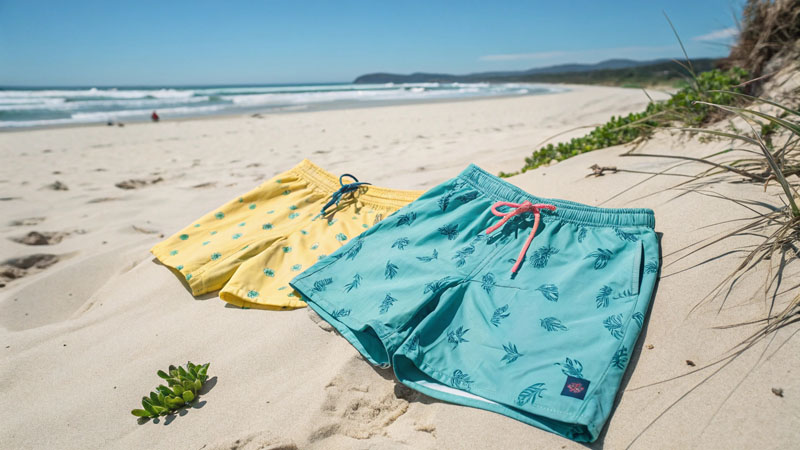
I built my best client relationships by offering pilot-priced first runs and slowly building to larger, prioritized contracts. We both gained: predictable pricing, trusted fulfillment, and peace of mind during busy seasons—plus room to innovate together.
Long-Term Playbook
| Tactic | Benefit | Real-World Example |
|---|---|---|
| Fixed annual pricing | Budget predictability | Locked-in rates for full season |
| Early reorder rewards | Lower effective price | Discount for fast repeat orders |
| Forecast sharing | Joint scale-up planning | Block factory space in advance |
| Open feedback cycles | Relationship/trust | Fast fixes and ongoing discounts |
Dive Deeper: Growth Together
- Share your seasonal sales timelines so your supplier can reserve capacity.
- Celebrate milestones together: a good relationship travels both ways.
- Feedback both ways—sustainable growth needs honesty and mutual improvement.
Conclusion
Smart negotiation with custom beach shorts suppliers delivers more than just good prices: it builds reliability, quality, and partnerships that last. Prepare, communicate transparently, protect quality, and aim for mutual benefit—because both sides grow stronger together.
Professional Insights from Airswimwear
- Full Cost Transparency: Break down unit prices—fabric, labor, print, trims—so both sides can spot trade-offs and build trust before talking numbers.
- Walk-Away Power: Know your non-negotiables and honor them—making your brand’s standards clear prevents race-to-the-bottom pricing and poor results.
- Mutual Incentives: Leverage order forecasting, prompt payment, or annual contracts to access volume discounts and supplier loyalty perks without sacrificing quality.
- Protect Every Spec: Attach detailed tech packs and quality benchmarks to every price discussion so expectations are locked before production, not after.
FAQs: Negotiation Tips for Custom Beach Shorts Pricing
1. What information should I prepare before a pricing negotiation?
Compile your desired specs, estimated volume, delivery timeline, and target budget—plus get quotes from other suppliers to benchmark.
2. How much can I usually negotiate off the initial quote?
This varies, but 5–15% is common, especially if you can raise volume or offer flexible terms.
3. Can I negotiate price and keep premium quality?
Yes, if you offer something in return (like higher volumes, flexible delivery, or longer contracts), but never accept downgrades in agreed specs for a lower price.
4. What are red flags in a price negotiation?
Unclear answers about fabric or construction, no written specs, or promises that seem too good to be true.
5. Is it smarter to do yearly contracts versus one-time orders?
Annual agreements often bring better prices, priority production slots, and stronger supplier partnerships—just ensure there are clear review periods.
6. How can I keep price steady if my costs rise suddenly?
Negotiate escalation clauses or buffer stock plans into contracts; communicate early with your supplier about market changes.



-1024x337.png)