.png)

9Don’t let rough, fading, or quick-wearing towels undermine your brand or beach experience. Spotting quality early saves frustration, returns, and protects your reputation.
The best way to determine towel quality is to check material type, GSM, thread quality, edge finishing, absorbency, colorfastness, certifications, and craftsmanship. Each detail gives a clear signal about comfort, durability, and customer satisfaction.
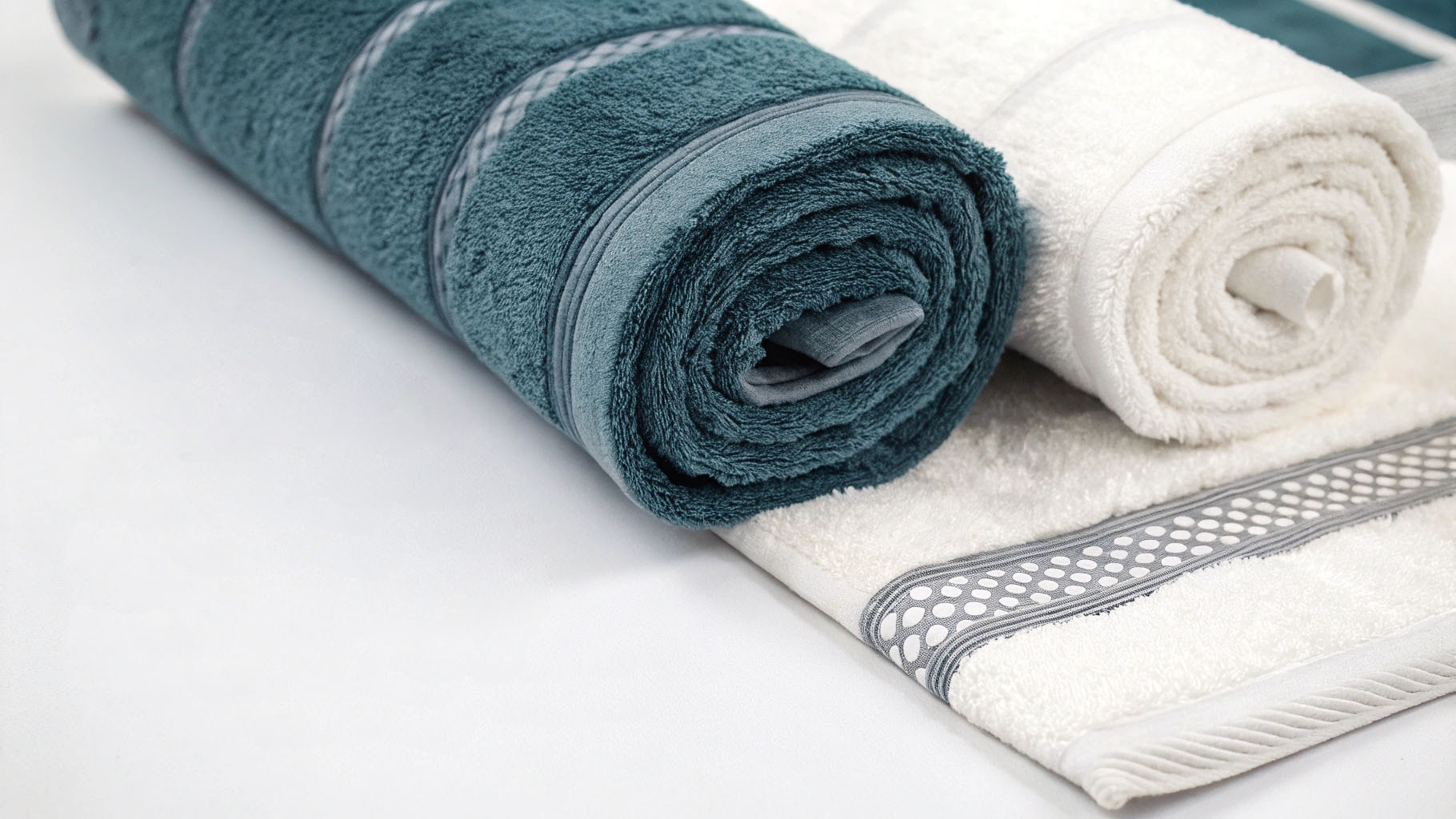
Learning these factors transformed my own business. For years I tested, compared, and improved every step of towel making. I’ll share exactly what to check and how so you never second-guess your next order.
Material Matters: Cotton vs. Microfiber vs. Blends?
Not all towel fabrics perform the same. Material choice has the biggest impact on softness, drying speed, and longevity.
100% cotton offers plushness and strong absorbency. Microfiber dries fast and resists sand. Blends target price, unique feels, or eco features. Always match material to your customer’s needs.
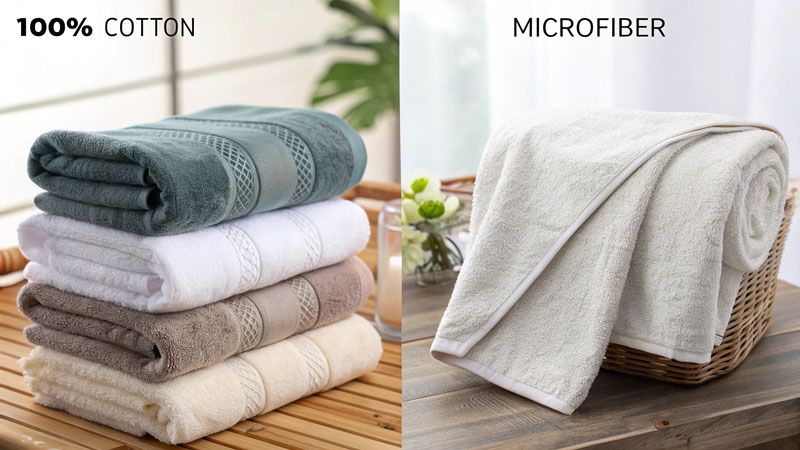
For brands, I recommend starting with purpose: resort luxury, beach practicality, or travel size. Egyptian and Turkish cotton reign for spa-level comfort. Microfiber stands out for quick-dry adventure lines. Blends like bamboo-cotton or recycled PET suit green-conscious customers.
| Material | Advantages | Use Cases |
|---|---|---|
| Egyptian/Turkish Cotton | Super soft, durable | Luxury, hotels |
| Microfiber | Fast dry, lightweight, sand-free | Beach, travel |
| Cotton Blends | Cost-effective, custom properties | Everyday, eco, trends |
Always request detailed yarn information and test swatches in real conditions before committing.
What’s GSM? Why Towel Weight and Thickness Matter?
Towel thickness or GSM (grams per square meter) dictates plushness, absorbency, and practicality in use.
Look for a GSM between 350 and 450 for beach towels—thick enough for softness, thin enough for fast drying. Higher GSM equals plushness; lower speeds up drying but reduces luxury feel.
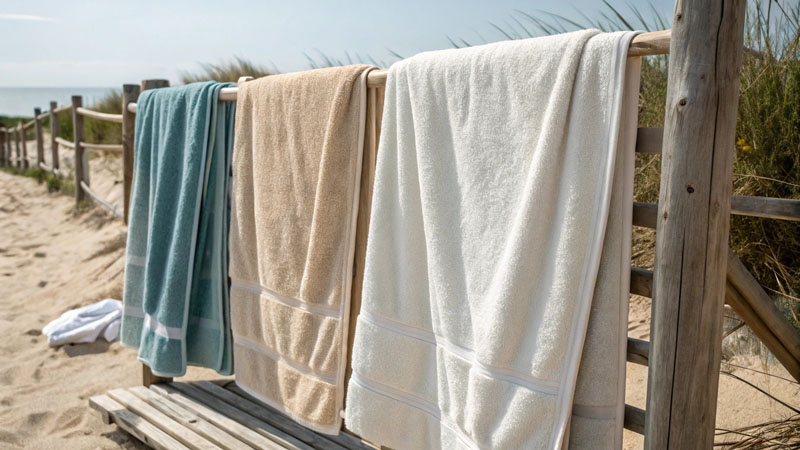
Years ago, I made the mistake of overvaluing high-GSM towels for outdoor use. Thick towels absorb well but take forever to dry by the beach. I advise clients to match GSM to context:
| GSM Level | Feel/Weight | Ideal Use |
|---|---|---|
| 250-350 | Light/thin | Travel, active |
| 350-450 | Balanced | Beach |
| 500+ | Plush, heavy | Spa, luxury |
Verify GSM with real measurements, not just what’s written on the label.
Thread Quality and Weaving Techniques?
The kind of yarn and weave shape towel character—strength, softness, and appearance.
Look for long-staple yarn for fewer loose fibers and longer life. Choose precise weaving (jacquard for patterns, velour for smoothness, flat-woven for sand resistance) for best results.
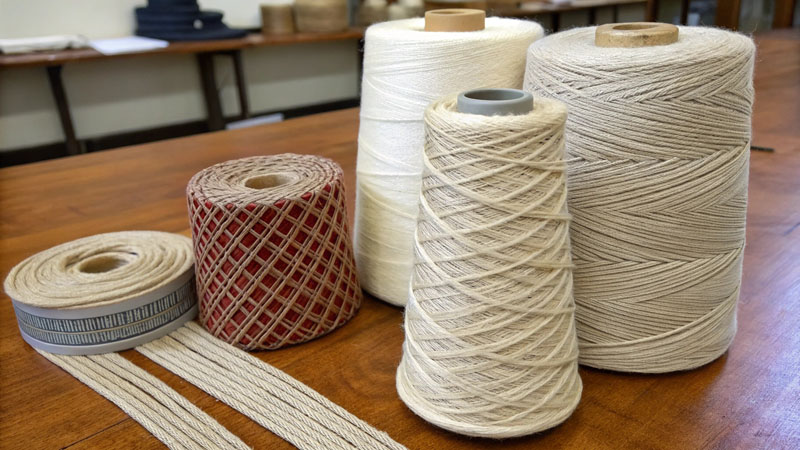
I always check the source and type of yarn myself. Bad weaving leads to pilling, misshapen towels, and unhappy customers. You should ask suppliers for clear weaving specs and sample tests:
Key Weaves Table
| Weave Type | Advantages | Best For |
|---|---|---|
| Terry | Fluffy, classic | Bath, all-purpose |
| Velour | Silky front, absorbent back | Beach, printing |
| Jacquard | Patterns, durability | Premium, branding |
| Flat-woven | Fast-dry, sand-free | Beach, travel |
Finer yarn and tight, even weaving always win for top-end towels.
Edge Finishing: Small Detail, Big Difference?
Cheap towels fall apart at the seams quickly. Professional finishing keeps towels neat after many washes.
Seek double-stitched, taped, or decorative hemmed edges. Inferior edging unravels; premium finishes hold up over time and give a luxury look.
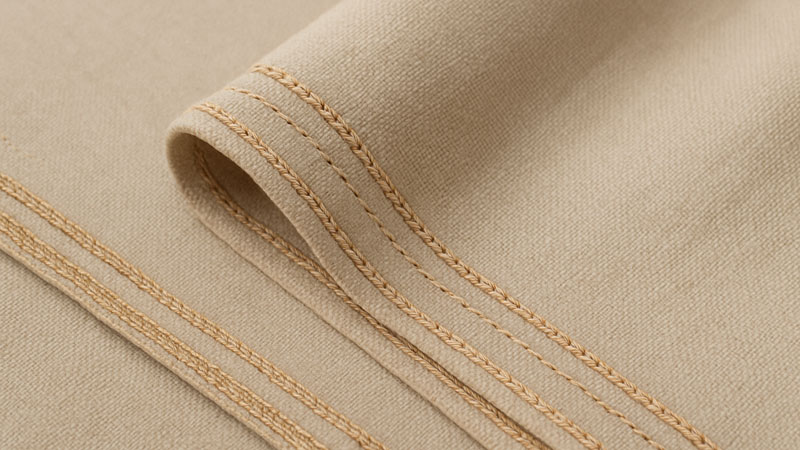
I’ve examined thousands of returned towels—the loose or unraveling edges are always from poor finishing. For customers and brands alike, this detail can define your quality standard:
| Finish Type | Quality Level | Durability |
|---|---|---|
| Single Stitch | Low/Cheap | Poor |
| Double-Stitched Hem | Standard/Good | High |
| Taped/Decorative Hem | Premium | Maximum |
Demand close-up images and, if possible, handle physical samples before placing a large order.
Absorbency and Quick Drying: The Ultimate Test?
Absorbency keeps users dry and comfortable, while quick drying keeps towels fresh and ready for use.
Test by pouring water on a swatch and timing absorption and drying. Quality towels soak up quickly but do not stay heavy for long.
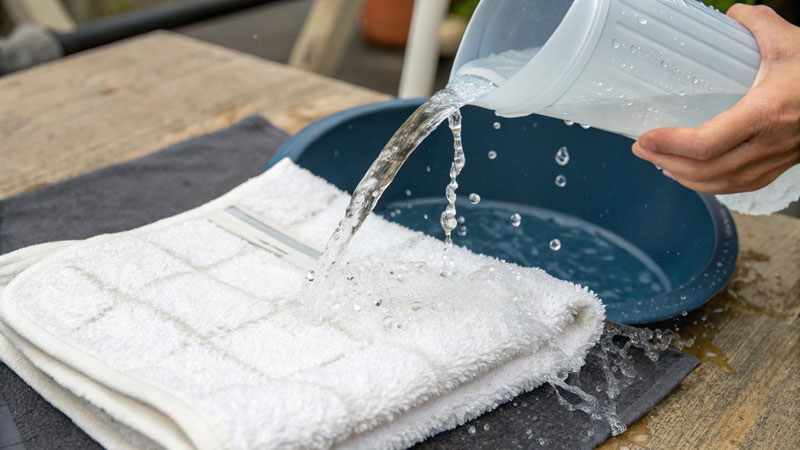
Over the years, our factory soaked hundreds of towels to test real-world performance; those that scored lowest on drying time always got the most complaints. It’s smart to check:
- Time until fabric feels dry after wringing out
- Weight before and after water application
- Any lingering odors after drying
Absorbent and fast-drying towels mean happier customers and healthier sales.
Colorfastness and Print Longevity?
Nothing disappoints customers more than faded or bleeding towels after just a few washes. The right dye process and testing protect design and brand value.
Confirm that towels use reactive or vat dyes for rich, long-lasting prints. Always run a colorfastness test—both sunlight and wash cycles.
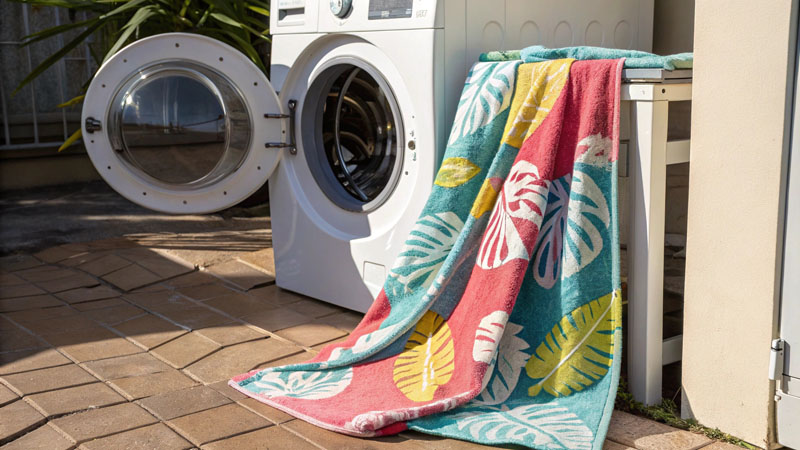
I tell brands: the most creative prints fade fast if the chemistry isn’t right. Ask for supplier test reports, and demand references for sun and salt resistance.
- UV test results
- Washing/crocking tests for prints
- OEKO-TEX or GOTS certification if possible
Print that lasts is a selling point your customers will notice immediately.
Certifications and Eco-Friendly Credentials?
Reliable towels shouldn’t come at the cost of safety or sustainability. Certifications prove materials are safe for the skin and made with respect for people and the planet.
Look for GOTS (organic), OEKO-TEX (non-toxic), GRS (recycled), and Fair Trade when possible.
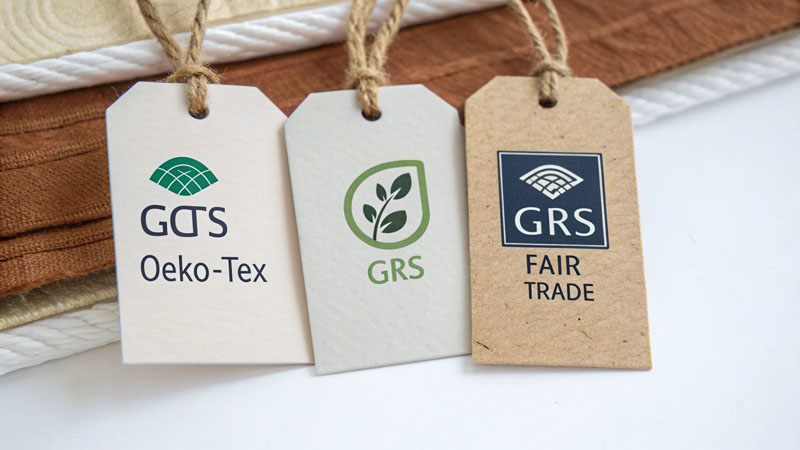
I saw global buyers become pickier about social and environmental impact each year. Transparent certifications help build trust and meet growing market demand for eco accountability. Make certification part of your checklist:
| Certification | Focus | Why It Matters |
|---|---|---|
| OEKO-TEX | Chem. safety | Skin/health safety |
| GOTS | Organic cotton | Eco-conscious segment |
| GRS | Recycled fibers | Upcycled/green brands |
| Fair Trade | Workers’ welfare | Responsible sourcing |
Signature Signs of Superior Craftsmanship?
When you’re looking for top-grade towels, the small details make the difference.
Superior towels have balanced hems, even pile, clean labels, no stray threads, and pass consistency checks in bulk. Inspect samples up close and stress-test the seams and prints.
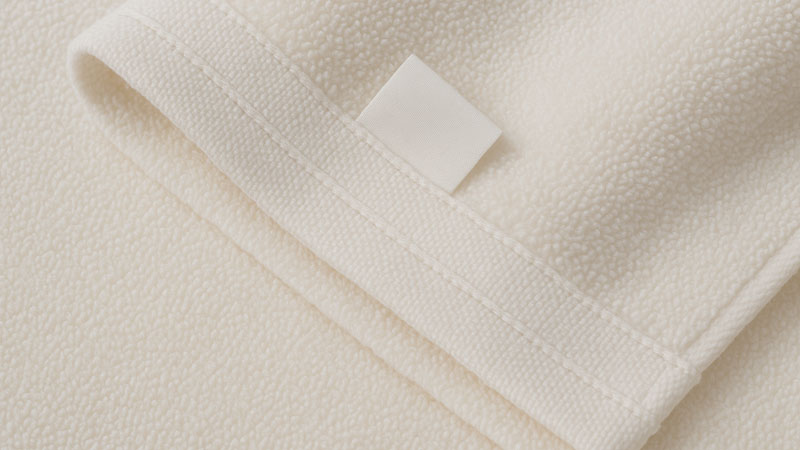
I always encourage partners to visit my factory if they can. You can spot champion towels at a glance when you know what to look for:
- No color streaks
- No misshapen corners
- No smell from chemicals or storage
- Crisp, readable branding
Trustworthy manufacturers hold every item to these standards, not just showroom pieces.
Conclusion
Quality towels combine the right material, correct GSM, skilled weaving, tough finishing, solid absorbency, colorfastness, reliable certification, and careful craftsmanship. Understanding these makes you an expert buyer and respected seller. Over a decade, I’ve found it’s never about just one feature—excellence requires balance and a relentless eye for improvement.
Professional Insights
-
Always Start with the End Customer: Define user expectations (luxury, travel, or green) before material selection. This streamlines your requests and aligns production priorities at every stage.
-
Insist on Physical Testing and Samples: Test for GSM accuracy, absorbency speed, and wash durability before confirming an order. Don’t rely solely on paperwork—hands-on testing exposes hidden flaws.
-
Choose Partners Who Prioritize Certification: Only work with suppliers who openly share GOTS, OEKO-TEX, or GRS certificates. These standards are more than marketing—they protect your brand from regulatory or image risks.
-
Excellence Hides in the Details: Inspect edge finishing, hem consistency, and print accuracy. Small flaws escalate into big problems in retail. Setting a high bar earns repeat business and lessens costly returns.


-1024x337.png)