.png)

Rushed orders and high volumes often lead to quality problems that hurt your brand and delay shipments. How do leading beach shorts brands keep defect rates low when demand spikes and lines are running at full speed?
Controlling defect rates in beach shorts during peak season requires enhanced QC protocols, pre-peak production planning, trained inspection teams, and real-time process tracking. Prioritizing high-risk points and auditing each batch ensures faults are caught early, keeping product quality high even under pressure.

When the busy season arrives, it’s easy to lose control of the details. Deadlines get tight, staff turnover climbs, and small mistakes pile up. I’ve helped several brands survive the rush by streamlining quality steps and preventing defects from reaching customers.
Why do defect rates increase during peak season for beach shorts production?
Factories add shifts and scale up, but new staff and nonstop lines often mean more errors—bad stitching, missed specs, and faulty prints slip through.
Peak season ramps up speed and volume, but without extra QC, mistakes multiply. Training, process discipline, and targeted audits are needed to catch common defects before packing.
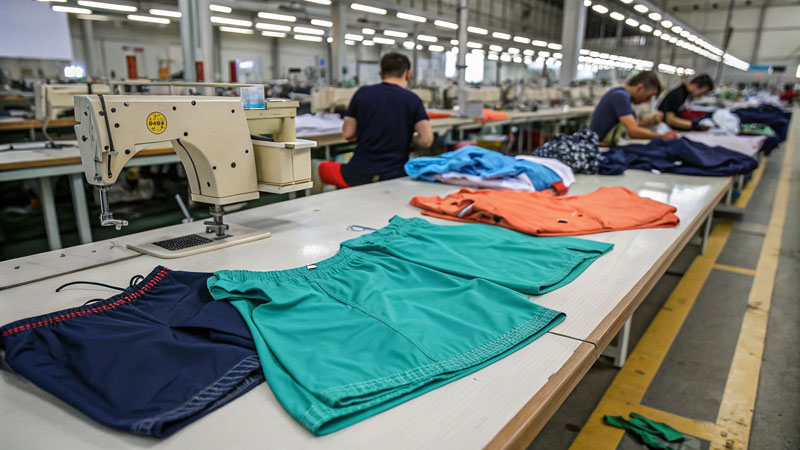
I’ve witnessed teams bring in temporary workers who were unfamiliar with swim short specifications. Even experienced staff overlook details when pressured by deadlines. Sizing errors, loose threads, and faint prints all appear more often in the rush. If QC checks do not scale up with production, these problems pass through—all hurting reputation, inviting returns, and straining retailer relationships.
Why defect rates rise in busy periods:
- Fast scaling with insufficient training
- Skip or shorten normal quality routines
- More batches and bigger orders dilute attention
- Pressure increases oversights and tolerance for minor defects
| Peak Season Factor | Typical Problem | Client Impact |
|---|---|---|
| Extra staff | Missed stitching specs | Higher returns |
| Rushed schedules | Poor print or fit QC | Complaints, refunds |
| Volume overload | Skipped defect inspections | Customer disappointment |
What pre-peak planning steps lower defect rates in beach shorts?
Advance preparation makes busy months manageable. Staff know what to watch, and systems are ready to handle scale.
Schedule extra QC training, pre-book skilled inspectors, and clarify critical defect points before ramping up. Create visual guides and reference samples for staff to compare against each batch.
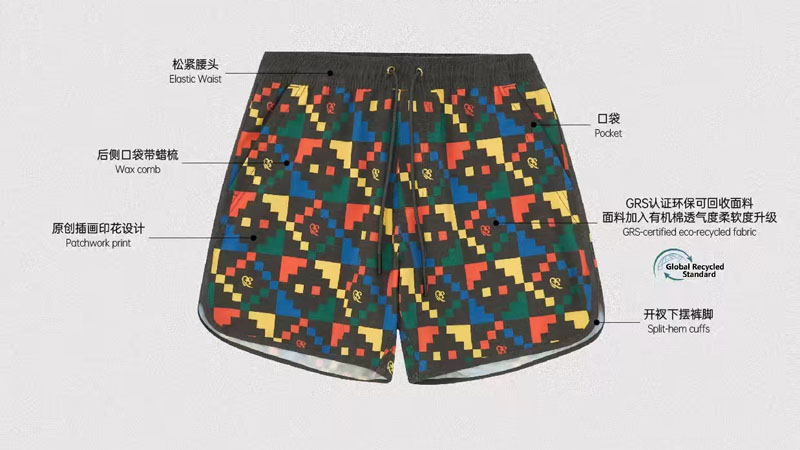
I always help brands set up training sessions for all new and existing staff at least one month before the big push. We walk the teams through the top three defect types for each style—like waistband alignment, hem stitching, and logo print quality. Reference shorts hang at every station so workers check quality during sewing, printing, and packing. Line leaders verify expectation using grading cards and digital checklists. Early bookings for skilled QC inspectors guarantee they are ready when the rush hits.
Step-by-step pre-peak planning:
- Training modules for staff and new hires
- Made-up visual guides and reference shorts
- Critical defect points listed and explained
- Advance scheduling for skilled QC inspectors
| Prep Activity | Benefit | Output |
|---|---|---|
| Team training | Consistent standards | Fewer avoidable mistakes |
| Visual references | Easy defect detection | Catch issues faster |
| QC inspector booking | Ready for peak volume | No missed inspections |
| Critical point review | Focused attention | Protect brand reputation |
How should inspection and QC processes be adapted for high-volume periods?
Scale inspection and tracking systems so every unit gets checked without slowing production lines.
Increase QC stations, rotate inspectors for fresh eyes, and separate fast pass and slow pass inspection lanes for critical features. Use barcode scans and digital logs to track defects and react quickly.
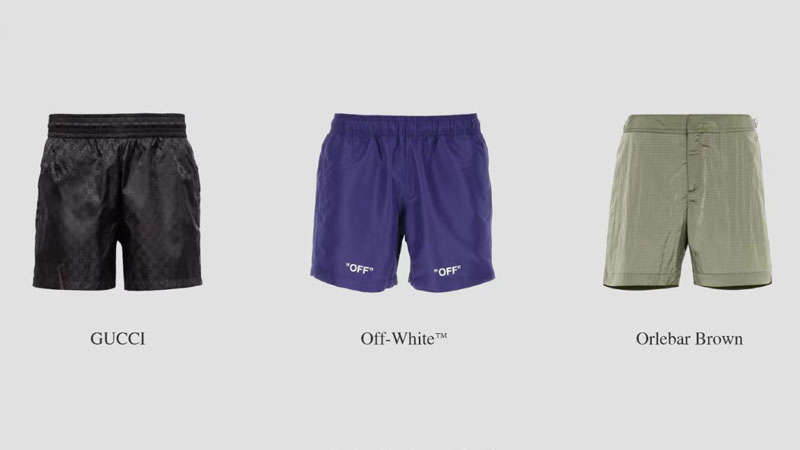
I design QC flows where basic tasks—loose threads, print alignment—get fast first-pass checks at several points down the line. More technical checks (like size and stress zones) run through slower, expert inspection lanes. Every unit is tagged via barcode for traceability; any defect is logged digitally, so supervisors see problems instantly. Inspectors rotate every few hours to prevent fatigue and oversight. When a line hits a pre-set defect level, automatic alerts trigger a full batch review to catch and correct drift.
Inspection flow for busy production:
- Multiple checkpoints by volume/location
- Rotating inspectors and quick/slow lanes
- Digital logging and barcode tracking
- Pre-set defect alerts for batch audits
| Inspection Tactic | Purpose | High Season Advantage |
|---|---|---|
| Multi-lane QC | Speed + thoroughness | No bottleneck, thorough QC |
| Inspector rotation | Fresh focus | Mistakes less likely |
| Digital logs | Traceable and fast | Quick fixes, less downtime |
| Batch alerts | Early risk catch | Minimal defective output |
Which defects are most common—and how can you prioritize checks?
Some faults matter much more: poor fit, weak seams, and print misalignment ruin shorts and brand reputation.
Audit all incoming shorts for waistband, seam, and pocket quality first—these defects drive most customer returns. Prioritize visual checks for print and logo clarity, plus fabric flaws like snags or stains.

Most complaints I’ve handled come from only five faults: waistband sag, loose seams, blurry logos, fabric runs, and missing or off-size pockets. These need hands-on and visual checks before any shorts ship. Photos, tolerance guides, and physical reference shorts help staff spot trouble and escalate fast. Digital QC forms highlight critical points so nothing is missed, no matter how much volume the line runs.
Key defect checkpoints:
- Waistband integrity and elasticity
- Seam strength, bar tack finish
- Logo and print alignment/clarity
- Fabric surface (snags, stains, holes)
- Pocket shape and sizing
| Critical Defect | Customer Complaint | Best Test |
|---|---|---|
| Waistband sag | Shorts fall off/loosen | Stretch/recovery test |
| Weak seams | Shorts rip under stress | Pull/visual inspection |
| Blurry print/logo | Cheap/poor brand image | Visual guide comparison |
| Pocket issues | Unusable/awkward fit | Pocket sample check |
How does post-production batch audit close the quality loop?
Final audits catch what in-line QC misses and stop defective shorts from leaving the factory, especially in rush periods.
Audit every finished batch before packing. Compare bulk output against gold-sealed reference shorts, run random fit and stretch checks, and document findings for each lot. Ship only defect-free units.

After all production, I schedule lot-based audits using reference samples as the gold standard. Each finished batch gets random shorts pulled—checked for fit, elasticity, stitching, and visual finish. QC staff record all data, tag each pass/fail with photos, and print a summary for supervisors and buyers. Shorts that fail are sorted and either reworked or held from shipment. This last step is the strongest safeguard—especially when peak volume pressures push minor defects through the assembly line.
Post-production batch audit checklist:
- Random pull per batch for full spec check
- Reference shorts as gold standard
- Visual, fit, and strength tests
- Photo records of results by lot
- Can’t ship shorts with any critical defect
| Audit Step | Role in Final QC | Impact |
|---|---|---|
| Batch random pull | Catch missed issues | Higher finished quality |
| Reference comparison | Consistent standards | Buyer confidence |
| Record/photo logs | Traceable output | Support for claims |
| Reject/rework fails | No defective shipment | Reputation protection |
Conclusion
Controlling defect rates in beach shorts under peak season stress depends on smart pre-planning, expanded inspection teams, digital QC tracking, prioritized audits, and thorough post-production batch review. Investing in these steps means brands deliver trusted quality, faster turnaround, and fewer costly returns—even when pressure is highest.
Professional Insights from Airswimwear
- Early Training and Setup: Pre-season QC training and reference samples for every style set clear expectations and boost first-pass quality, avoiding last-minute confusion.
- Tech-driven QC: Use digital logging and barcode traceability for process control and real-time defect alerts. Rotate inspectors to keep checks sharp and avoid missed issues.
- Defect Prioritization: Build audit processes around faults that matter most—fit, seams, prints, and fabric flaws. Visual guides and sample-based QC give staff strong cues for what’s acceptable.
- Strong Batch Audits: Require thorough final checks on every production lot. Hold back or rework faulty units before packing, keeping the supply chain clean and trusted.
FAQs about Controlling Defect Rates in Beach Shorts
1. What are the top three defects in beach shorts during peak season?
Waistband issues, weak seams, and blurry logo/print alignment.
2. How can new staff be trained quickly for QC?
Use short, visual guides and reference samples for daily walk-throughs before lines start.
3. Does digital QC stop more defects?
Yes—barcode tracking, real-time logs, and alerts help spot and solve faults without delays.
4. How often should batch audits take place during busy months?
Every batch should be randomly sampled and checked before packing and shipment.
5. Can defective shorts be fixed before shipment?
Often, yes: re-sewing, print rework, or replacing bad trims can salvage units if audits catch issues early.
6. How can brands keep quality high with tight deadlines?
Invest in training, automate defect logging, focus on critical test points, and be strict about final batch audits.



-1024x337.png)