.png)

Pilling wrecks the sleek, premium look of beach shorts, especially after a few wears and washes. How do brands use anti-pilling testing standards to guarantee long-lasting, smooth fabrics for their customers?
Anti-pilling testing standards for beach shorts rely on industry-recognized methods such as the Martindale or ICI pilling box tests. Fabrics are rated from Grade 1 (heavy pilling) to Grade 5 (no pilling), with brands targeting Grade 4–5 for top-tier swimwear. Test results confirm durability and surface integrity before production approval.
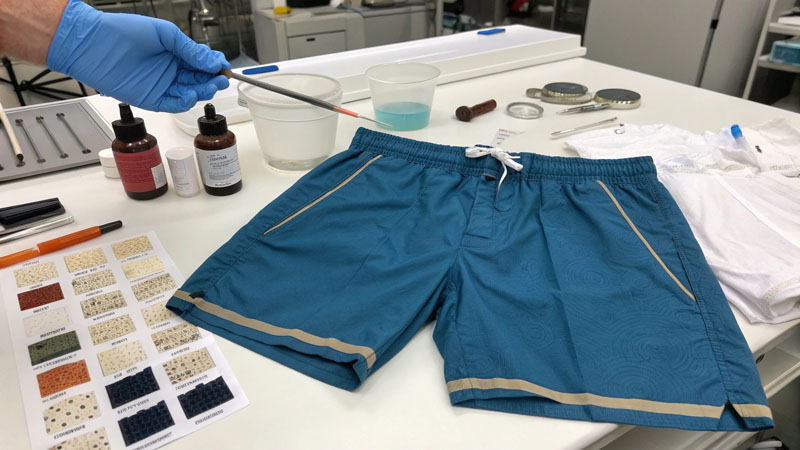
No customer wants shorts covered in fuzz balls after a few days at the beach. I have seen firsthand how poor testing leads to unhappy buyers and brand recalls. Let’s look into the standards and lab checks that top manufacturers use to keep beach shorts smooth and fresh.
What causes pilling in beach shorts—and why does it matter?
Pilling happens from abrasion during wear and washing. Fibers loosen, tangle, and form small balls on the surface, ruining appearance and comfort.
Frequent motion, sand abrasion, and harsh laundry cycles are main culprits. High-performance swimwear fabrics need anti-pilling properties to stay attractive and comfortable over many uses.
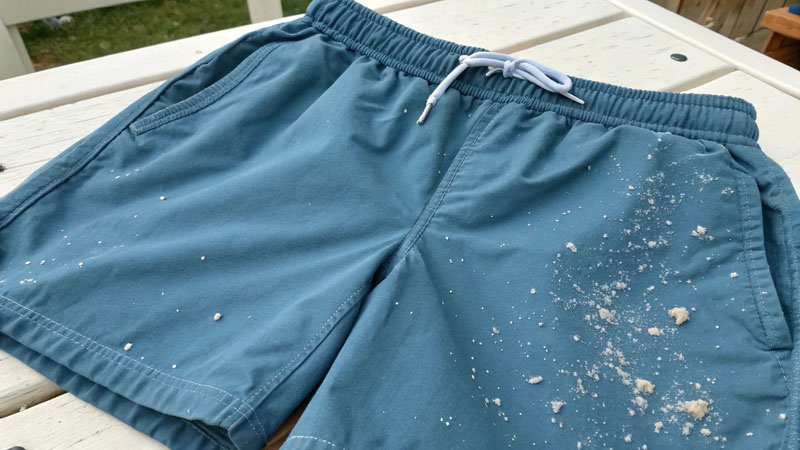
I’ve tracked pilling complaints to blends using low-quality or loosely twisted fibers. Polyester and nylon resist pilling better, but even these need careful yarn and fabric selection plus firm finishing. Without testing, soft-touch or brushed surfaces often pill fastest. Pilling puts off buyers, leads to returns, and lowers a brand’s reputation.
Main pilling causes and impacts on beach shorts:
- Abrasion from sand, seat surfaces, and active movement
- Repetitive wash cycles in hot or rough conditions
- Inferior fiber selection or poor finishing
| Cause | Impact on Shorts | Brand Risk |
|---|---|---|
| Sand abrasion | Quick surface pilling | Negative reviews |
| Loose fiber blends | Excess fuzz | Returns, lower ratings |
| Harsh laundry/wear | Fiber breaks | Short product lifecycle |
What anti-pilling testing methods are used in professional factories?
Global standards ensure fair, repeatable evaluation. Martindale and ICI pilling box are most common.
Martindale test rubs fabric against standard surfaces; the ICI pilling box tumbles swatches. Technicians grade pilling from 1 to 5, aiming for minimal fuzz after set cycles.
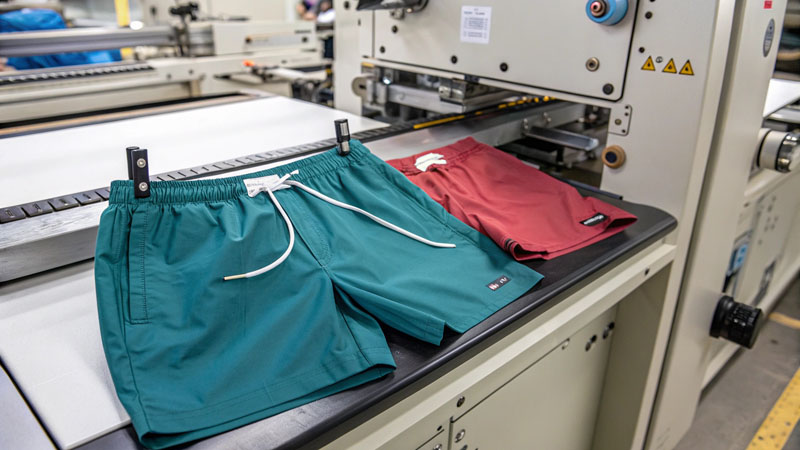
For beach shorts, I specify Martindale rub testing (ISO 12945-2) with 10,000–20,000 cycles, as well as optional ICI box tests (ISO 12945-1) for brushed finishes. Lab staff visually inspect samples after each run and assign a grade. Grade 5 means no pills; Grade 1 means heavy, obvious pills. Most premium beach shorts need Grade 4 or 5 on both dry and wet cycles. Processing variables—like twist level, yarn quality, and finishing—are adjusted if shorts do not pass. Certificates from accredited labs support product claims and win customer trust.
Industry-recognized test methods and grading:
- Martindale abrasion (ISO 12945-2)
- ICI pilling box (ISO 12945-1)
- Visual grading scale, Grade 1–5
| Test | Description | Acceptance Criteria |
|---|---|---|
| Martindale | Abrasive rub cycles | Grade 4+ on 10,000+ cycles |
| ICI box | Tumble for 1–2 hours | Grade 4+ |
| Visual grading | Compare to reference photos | Grade 4 or above |
How do you select and approve anti-pilling beach short fabrics?
Sample testing is essential—never trust specs alone.
Order lab swatches from suppliers, then run test cycles using both Martindale and ICI methods. Shortlist only fabrics that pass target Grade 4–5 standards under dry and wet conditions.
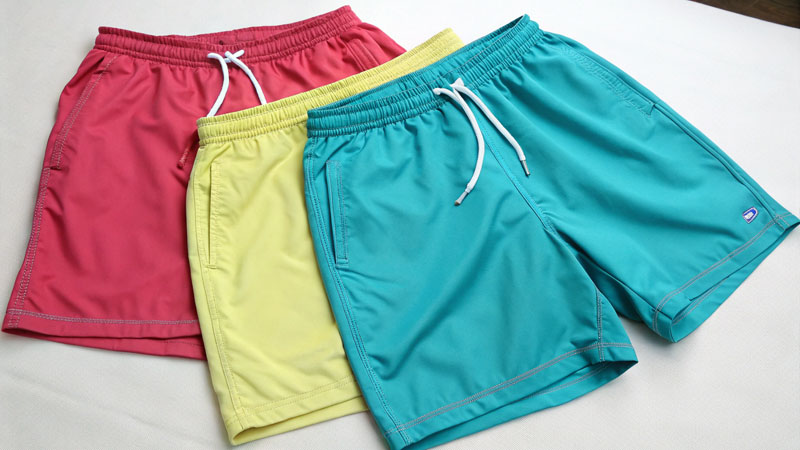
Before any bulk production, I demand supplier swatches—both finished and unfinished. These go straight to accredited labs for anti-pilling tests. Some fabrics pass dry cycle rubs but fail when wet, so I check both parameters. Final selection involves evaluating color, hand-feel, and pilling resistance against test results. If a fabric drops below Grade 4, I rework the yarn specs or reject the swatch. Most factories record detailed lab reports for each batch and keep them on file, so every future run maintains standards.
Steps for selecting and approving anti-pilling fabrics:
- Request supplier swatches and technical data
- Lab test for Martindale and ICI pilling resistance
- Record results, approve only Grade 4–5 fabrics
- Archive reports for production traceability
| Selection Step | Reason | Expected Outcome |
|---|---|---|
| Swatch request | Sample accuracy | True representation |
| Lab cycle testing | Durability check | Minimum Grade 4 |
| Wet/dry evaluation | Real-world simulation | Versatile performance |
| Report archiving | Standard consistency | No drop in quality |
How should factories audit and document anti-pilling performance?
Ongoing QC keeps every order at spec. Records prove marketing claims.
Audit with batch sampling for every color and style. Document rub cycles, cycle settings, and visual grades, then keep certification for all shipments.
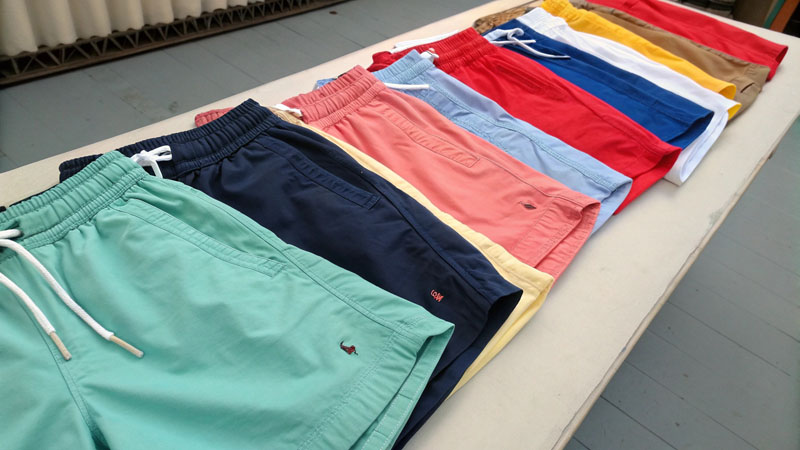
I ask factories to randomly select finished shorts from each run and send them for lab retest. Every audit logs the machine and technician, exact cycles, grade, and reference images. Results are entered into a digital traceability system, linked to style, fabric lot, and production date. Claims on packaging and in catalogs are only made after certification, so retailers and customers can trust what’s advertised. Inconsistent or failed batches are re-treated, reworked, or held back from shipment.
Key points for batch auditing and documentation:
- Random selection from each production batch
- Third-party lab certification preferred
- Digital records for style and lot traceability
- Batch retests if any failures occur
| Audit Step | What It Ensures | Benefit to Brand |
|---|---|---|
| Random batch tests | Ongoing durability | No surprise quality drops |
| Lab certificates | Verified results | Honest product claims |
| Traceable records | Repeatability | Consistent quality promise |
| Corrective re-tests | Fast improvement | Strong long-term trust |
What fabric choices and finishing practices directly reduce pilling?
Correct fiber, yarn, and finish choices boost resistance.
Pick tightly twisted, filaments synthetic yarns—polyester or nylon—plus smooth, anti-pilling surface treatments. Avoid brushed knits without confirmation of resilience.

I partner with mills specifying filament-count polyester or nylon—these yarns don’t easily break, so pills cannot form readily. Tight weave structures and calendered or anti-pilling finishes reduce fuzz formation and abrasion risk. Brushed or sueded finishes are popular, but always need extra testing. I avoid them for mainline shorts unless multiple lab cycles pass. Clear, anti-pilling surface coatings or high-pressure steam finishing add another layer of protection. Final products look sleek and smooth for longer wear.
Smart choices for anti-pilling performance:
- Filament synthetic yarns, tightly twisted
- Dense weaving or knitting structure
- Calendered/anti-pilling surface finish
- Careful selection of brushed/sueded effects
| Choice/Practice | Role in Anti-pilling | Effect on Product |
|---|---|---|
| Filament yarns | Resist fiber breakage | Smooth surface |
| Dense construction | Reduce abrasion | Low pill formation |
| Surface finishes | Shield from fuzz | Prolonged appearance |
| Finish testing | Avoid risky textures | Reliable results |
Conclusion
Anti-pilling testing standards are key for beach shorts designed to last. Brands and factories need Martindale and ICI test results above Grade 4, carefully chosen synthetics, and ongoing batch audits to deliver flawless, premium fabrics. Documentation and smart fabric choices guarantee consistent quality—earning buyer trust in a tough market.
Professional Insights from Airswimwear
- Lab Certification: Always use accredited labs for Martindale and ICI pilling tests, and archive results for every style and batch.
- Yarn Specification: Select tightly twisted, filament-count synthetics and avoid blends prone to fuzz without high-grade testing.
- Ongoing QC: Run regular audits on every batch, document all results, and react quickly if batches fail.
- Finish Selection: Use calendered or anti-pilling finishes, especially for brushed/sueded textures, to support long-term surface integrity.
FAQs about Anti-pilling Testing and Beach Shorts
1. What is the target pilling grade for premium beach shorts?
Grade 4–5 is required for trusted, long-lasting products.
2. How often should anti-pilling testing be carried out?
Before every bulk production run, and with random batch audits on each shipment.
3. Which testing methods are most common?
Martindale and ICI pilling box, according to ISO 12945 standards.
4. Can brushed or sueded fabrics pass anti-pilling tests?
Yes, but only if treated or processed specifically and confirmed by lab cycles.
5. Do finishes affect breathability or comfort?
Modern anti-pilling finishes preserve breathability and softness when applied with care.
6. What documentation supports anti-pilling claims for clients?
Lab certificates, detailed reports, and digital traceability records by style and lot.


-1024x337.png)